In the world of tea, the name “Maw Shan” stands as a beacon of tradition blended seamlessly with modern innovation. This family-owned business, deeply rooted in the rich history of tea cultivation, has been thriving since its inception in 1964. MYANMORE sat down with the three dynamic siblings at its helm: Ma Nay Che Myat Htun, Ko Khonnaung Latt Htun, and Ko Lin Pyae Htun, to delve into the inspiring journey of Maw Shan.
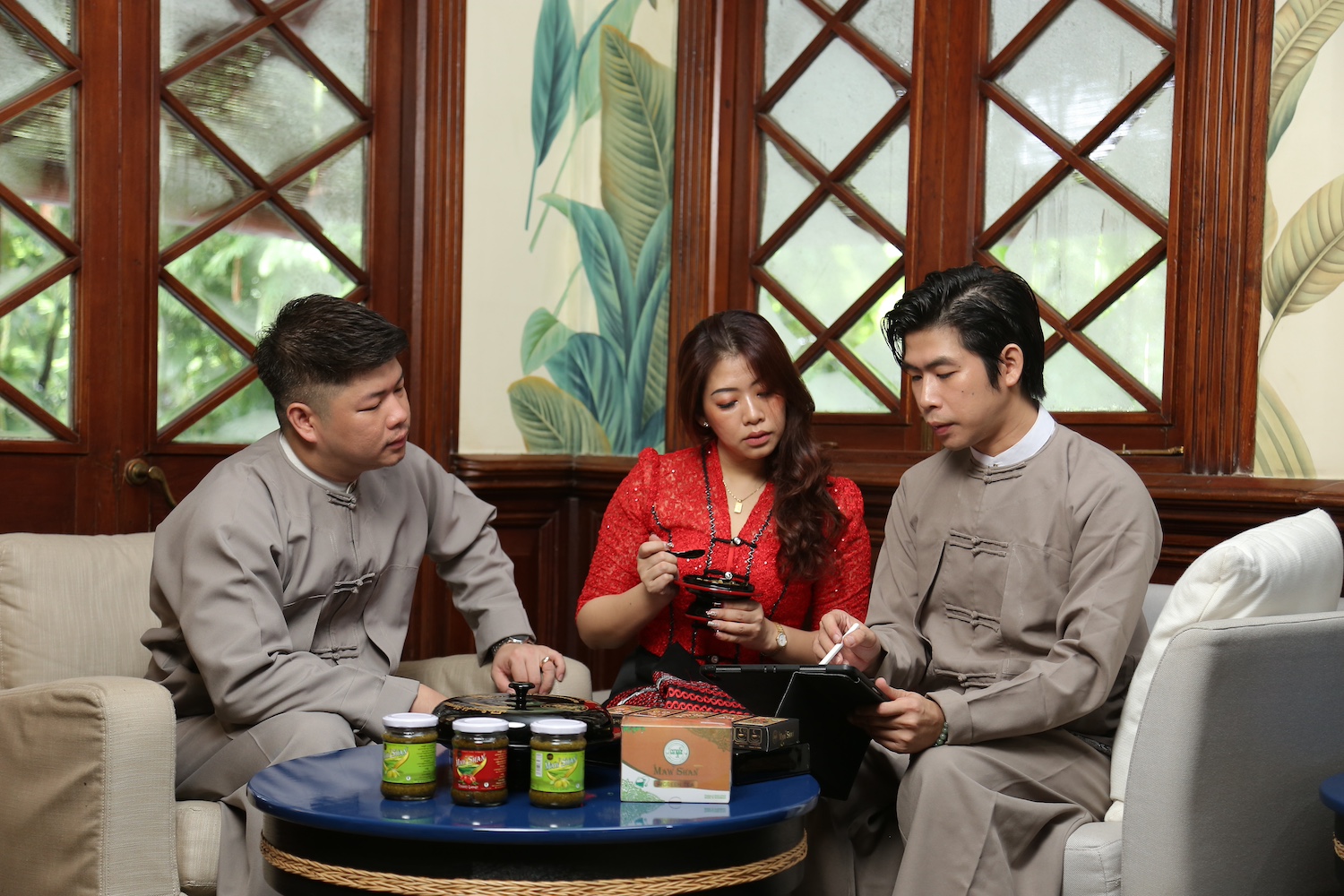
The story of Maw Shan began with the entrepreneurial spirit of their grandfather, who planted the first tea seeds on their plantation in the southern parts of Shan state. By 1985, the family had branded their produce under the name “Maw Shan,” a nod to the people of the Shan region, symbolising unity and diversity. “Maw Shan” was chosen by their father to represent not just one ethnic group but all those who inhabit the hilly regions of Myanmar.
The Maw Shan family’s deep connection to the land and the culture of tea is palpable. Their early years were spent learning the nuances of tea cultivation, from the meticulous planting of the seeds to the careful harvesting of the leaves. This foundation of knowledge was critical, not only for the quality of their product but also for instilling a sense of pride and responsibility in maintaining these traditions.
In 2008, the current generation took over the reins, determined to expand and modernise the family business. By 2014, Maw Shan was officially registered as a private company in Myanmar, marking a significant milestone. The siblings restructured the company with a clear vision: to prioritise consumer safety, product quality, and transparency.
Ko Lin Pyae, responsible for production and processing, explains, “We needed to ensure our products were safe and hygienic, maintaining full transparency in our processes. This commitment led us to trace our production back to the roots, educating and building capacity among our supplier farmers.”
The decision to transform their traditional methods into modern practices was not easy. It involved significant investment in technology and infrastructure. The siblings initiated training programs for their farmers, introducing them to modern agricultural techniques that could improve yield and quality without compromising the organic nature of their produce. This blend of old and new allowed Maw Shan to create a product that honoured its heritage while meeting contemporary standards.
Ma Nay Che, who handles business development, emphasises their dedication to innovation. “In 2016, we started the training and practice of organic awareness among our farmers and in 2017, we received the organic certification. The following year, 2018, we became the first in Myanmar to export organic tea to Germany. This was a major milestone, reflecting our commitment to quality and sustainability.”
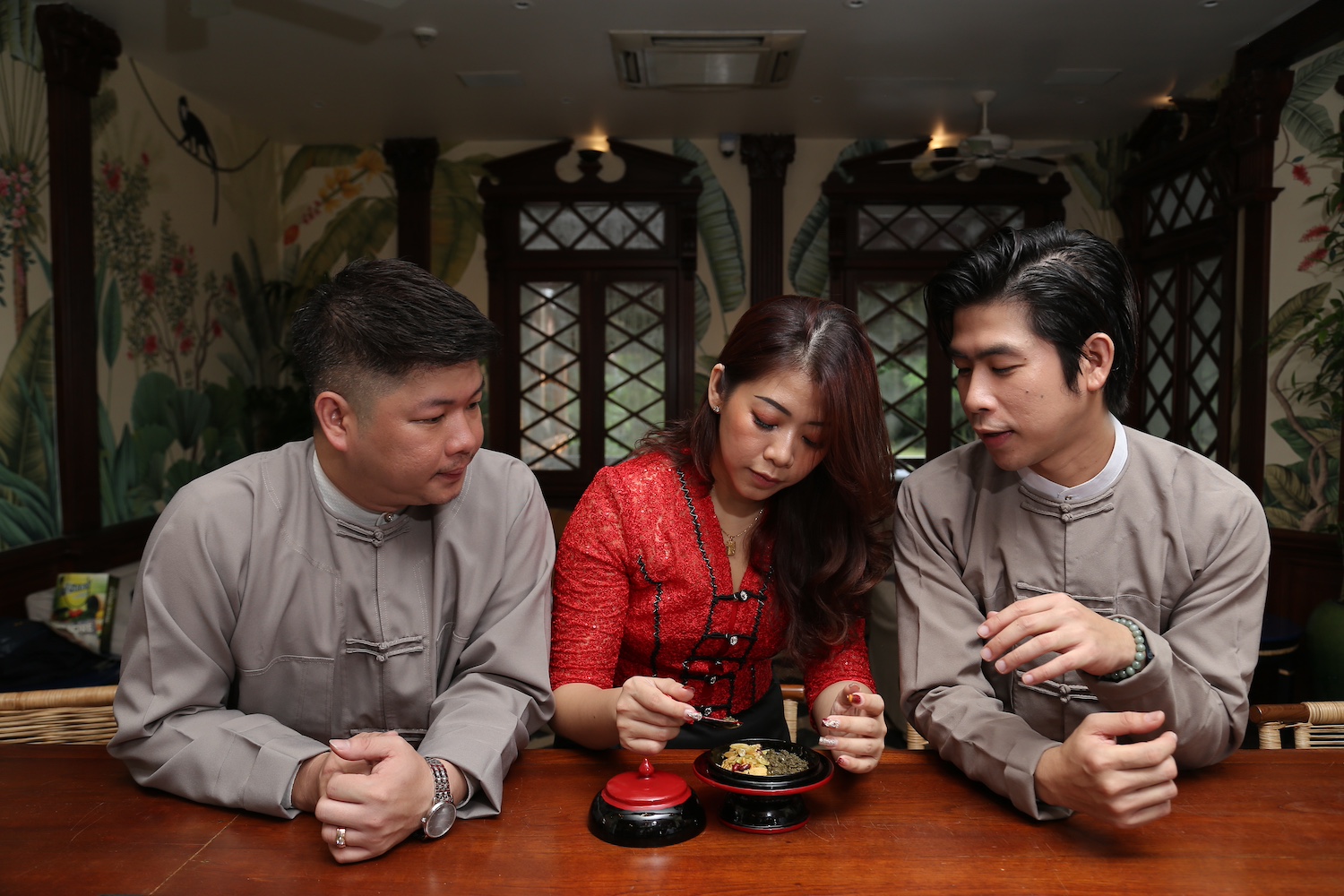
The siblings’ innovative spirit didn’t stop there. They developed unique products like fermented tea leaves with flavours like tomato, olive, and lemon. These innovations catered to local and international markets, blending traditional tastes with contemporary preferences. “Our goal was to create products that are not just tasty but also align with global standards,” says Ko Khonnaung, who oversees sales and marketing.
Innovation at Maw Shan is not just about new products but also about improving processes. They have invested in state-of-the-art processing facilities that ensure their teas are not only delicious but also retain their nutritional benefits. This attention to detail extends to their packaging, which is designed to preserve the freshness of the tea while being environmentally friendly.
Behind Maw Shan’s success is a team of dedicated individuals who share the family’s passion for tea. The company’s culture is built on mutual respect and continuous learning. Ko Khonnaung, Ma Nay Che, and Ko Lin Pyae have fostered an environment where employees are encouraged to bring new ideas and where their contributions are valued.
“Our team is like an extended family,” says Ma Nay Che. “We believe in nurturing talent and providing opportunities for growth. Many of our employees have been with us for years, and their loyalty and dedication are a big part of our success.” Ma Nay Che continues, “I can still remember the first time I watched the tea harvest with my father, and he told me: this isn’t just tea—it’s a way of life, a responsibility to our ancestors and our community.” That sense of duty is what drives the siblings today.
Their efforts have not gone unnoticed. In 2018, Maw Shan received several prestigious awards, including the SME Award, the Quality Outstanding Award and the Pride of Myanmar Award. These accolades recognised their outstanding quality, innovative products, and significant contributions to the tea industry.
Receiving these awards was a validation of their hard work and commitment. “It was a proud moment for all of us,” recalls Ko Khonnaung. “These awards are not just for us but for everyone who has been a part of our journey, from our farmers to our employees.”
The Maw Shan siblings are not just focused on the present; they are committed to a sustainable future. They continually educate their farmers on organic practices and sustainable farming, ensuring the longevity and integrity of their supply chain. “Sustainability is key,” says Ko Lin Pyae. “We promise markets and fair prices to our farmers, maintaining a strong, reliable relationship.”
Their commitment to sustainability extends beyond farming practices. Maw Shan has initiated several community projects aimed at improving the living conditions of their farmers. They have built schools, provided clean drinking water, and supported healthcare initiatives in the regions where they source their tea. “Our success is intertwined with the well-being of our community,” says Ma Nay Che. “We believe in giving back and supporting the people who support us.”
As Maw Shan looks to the future, the siblings have ambitious plans. They aim to expand their market reach, introducing their teas to new regions while maintaining the high standards that have become their hallmark. “We are always exploring new opportunities,” says Ko Khonnaung. “Whether it’s new markets or new product lines, we are committed to growth and innovation.”
One area they are particularly excited about is the potential for Maw Shan teas in the health and wellness sector. With growing awareness about the benefits of organic and natural products, they see a significant opportunity to position their teas as a premium health product. “Our teas are not just delicious; they are also good for you,” says Ko Khonnaung. “We are working on new formulations and blends that cater to health-conscious consumers.”
Maw Shan’s journey is a testament to the power of tradition infused with innovation. The family’s dedication to quality, sustainability, and community has set a high standard in the tea industry. As they continue to grow and innovate, the Maw Shan siblings are not just preserving their family legacy but are also paving the way for future generations in the world of tea.
As Maw Shan continues to evolve, the siblings remain steadfast in their mission: to create teas that honour their heritage while embracing the future. In every cup of Maw Shan tea, you taste not just the leaves, but the love, passion, and innovation of a family dedicated to excellence.
[This article was originally published in MYANMORE Magazine #59]