


Behind every bar of Ananda Chocolate lies a rich story of heritage, ambition, and unyielding determination. From Morocco to Myanmar, Jean-Yves has built a legacy that blends old-world techniques with the unique flavours of Southeast Asia. His journey, marked by fires, floods, and a few fortuitous meetings, is a testament to the power of passion and the enduring allure of fine chocolate.
Born in Morocco to a family steeped in the world of chocolate since 1917, Jean-Yves’ path was perhaps inevitable. Though his father was a surgeon, Jean-Yves was drawn to the culinary world, particularly chocolate and coffee. His journey officially began in 1994 with a chocolate and coffee company in France, but he started selling chocolate with his cousin already in 1990 and played a pivotal role in introducing the now-common tradition of serving a square of chocolate with coffee. “Back then, it was a novel idea,” he recalls. “We sold millions of chocolate squares every month.” This blend of food innovation and entrepreneurial spirit would become a recurring theme in his career.
Discovering Myanmar: The Birth of a New Origin
Jean-Yves first set foot in Myanmar as a tourist in 1998, a visit that would change the course of his life. His discovery of Myanmar’s coffee trees sparked an idea: What if Myanmar could become a new source of premium coffee for the world? His efforts led to the international introduction of Myanmar coffee, which was soon recognized among the world’s top 10 coffees.
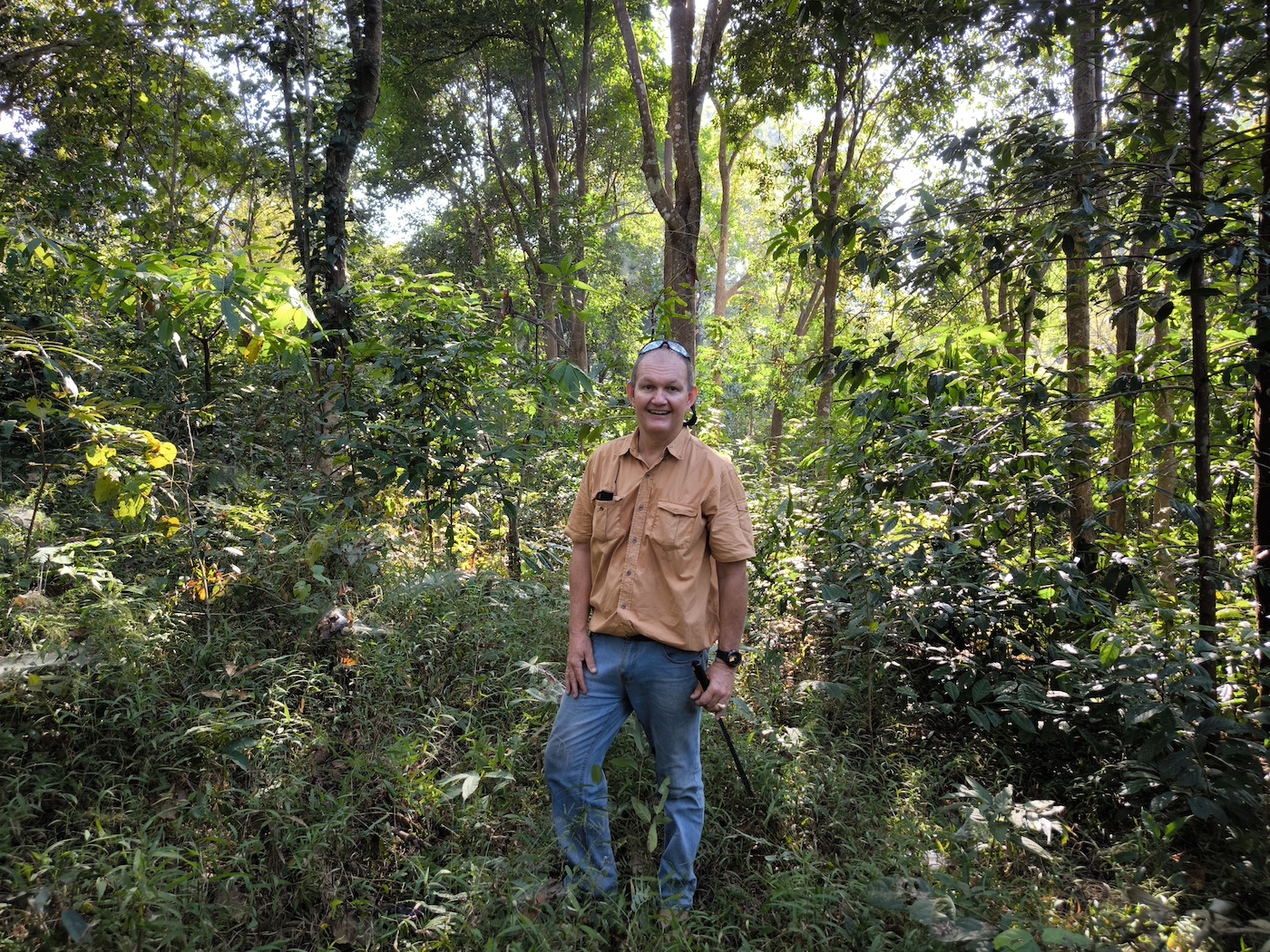
But Jean-Yves wasn’t finished.
“If we can do it with coffee, why not with cocoa?” he thought. Despite Myanmar having no cocoa plantations at the time, he embarked on a mission to change that. By 2003, he had introduced the first cocoa trees, sourcing seeds from Vanuatu to ensure they were disease-free and suitable for Myanmar’s climate.
While the original idea was to export cocoa beans, fate had other plans. A catastrophic forest fire in 2014 destroyed his plantation. Instead of walking away, Jean-Yves replanted every tree, determined to see his vision through.
“It was stubbornness,” he admits with a grin. “When you know it works, you just do it again.”

But the fire shifted his perspective. With fewer beans available for export, he decided to add value locally. Ananda Chocolate was born.
Unlike European chocolate makers who source ready-made chocolate from major processors, Jean-Yves crafts his chocolate from bean to bar. Every stage, from fermentation to wrapping, is done in Myanmar. While most industrial chocolate is produced in mere hours, Ananda’s small-batch process takes days, giving each bar its distinctive flavour and quality.
“Here, we make it fresh,” he says. “We don’t store it. Every batch is made to order.”
A Unique Flavor Profile: From the Earth to the Table

Jean-Yves takes pride in Ananda’s local flavour. The cocoa beans, grown in Myanmar’s unique climate, offer a taste that stands apart from cocoa in Ecuador or Venezuela. “It’s like wine,” he explains. “Different regions create different tastes.”
Ananda’s chocolate lineup includes milk chocolate, cashew milk chocolate, and four varieties of dark chocolate, including a 100% cocoa bar. While some of these chocolates are sold directly to consumers, others are used in Myanmar’s finest hotels and restaurants.
The company also produces private-label chocolate for clients, tailoring the recipes to match their brand’s identity. These collaborations, he notes, have pushed the brand to innovate, with experiments in flavours like stevia, chilli, and cinnamon.
Making chocolate in a tropical climate is not for the faint of heart. Unlike European factories with consistent temperatures, Jean-Yves’ factory must contend with high humidity and heat. Cooling systems and air conditioning are essential, as is managing the erratic energy supply. The factory has solar panels as backup power, but energy costs remain a challenge.
On the production side, the “conching” process — which grinds and refines cocoa beans into smooth chocolate — takes two to four days for each 30 kg batch. Compare this to industrial factories that produce tons of chocolate in hours, and you get a sense of the scale and craftsmanship involved in Ananda’s process.
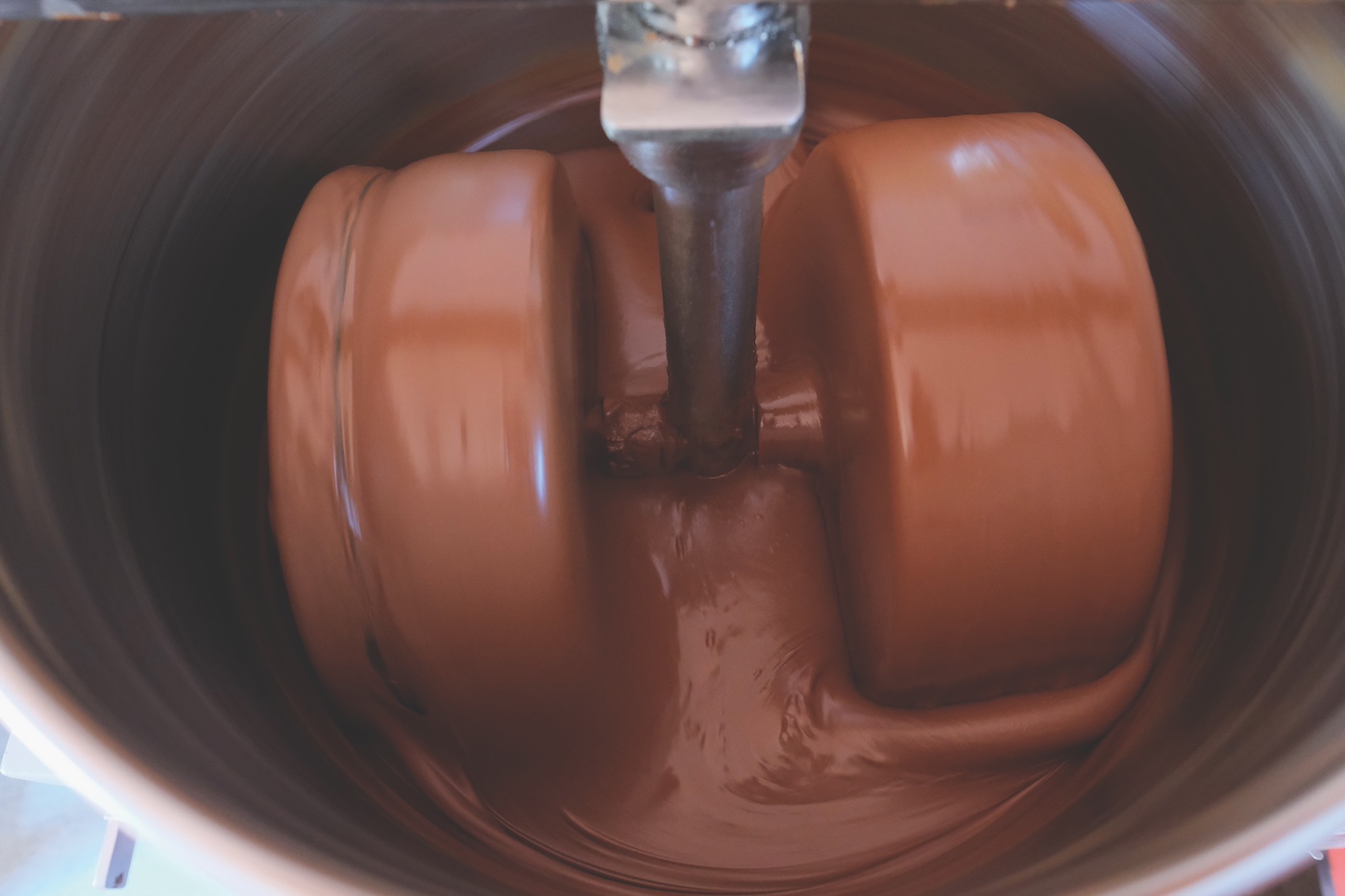
“You taste it every day,” says Jean-Yves. “It’s like cooking — you don’t just set a timer. You taste it, and when it’s right, you stop.”
Local Market Over Exports: A Bold Choice
While many entrepreneurs dream of exporting their products to Europe or the U.S., Jean-Yves has taken a different path. Myanmar imports 99% of the chocolate it uses in hotels, bakeries, and restaurants. Instead of exporting his chocolate, Jean-Yves sees a golden opportunity to supply this growing local market.
“Why export when there’s demand right here?” he asks. By focusing on the domestic market, Ananda avoids the costs and complexities of international logistics. His products are already being used by local hotels, cafes, and even City Mart, Myanmar’s leading supermarket chain.
As Ananda grows, Jean-Yves is also looking to protect the broader cocoa ecosystem in Myanmar. Neighbouring countries like Thailand and Malaysia have introduced new cocoa varieties into Myanmar without proper testing, risking the introduction of diseases that have devastated plantations in Malaysia. Jean-Yves is vocal about the need for stricter controls.
“When you introduce foreign plants without testing, you invite disaster,” he warns. He believes in the power of controlled forestry, a model where cocoa is grown alongside other crops like betel. This intercropping method increases farmers’ income while providing natural shade and pest resistance for cocoa trees.
To safeguard Myanmar’s cocoa future, Jean-Yves is calling for government oversight of imported plants to protect local biodiversity and the livelihoods of Myanmar’s cocoa farmers.


A Vision for the Future: Scaling with Heart
Ananda Chocolate’s future is as ambitious as its founder. Jean-Yves plans to expand cocoa production, partner with more contract farmers, and upgrade the factory with new, energy-efficient equipment. He also aims to produce even more local chocolate, reducing Myanmar’s dependence on imports.
The goal, he says, is to “grow field operations, scale up production, and develop more products for the local market.” By scaling locally, Ananda Chocolate stays true to its roots while creating opportunities for farmers, workers, and chocolate lovers in Myanmar.
His journey has been filled with setbacks — floods, fires, and fickle weather — but Jean-Yves’ resolve remains unshaken. When asked why he didn’t give up after the forest fire, he simply says, “Why leave when it’s growing well?”
With Ananda Chocolate, Jean-Yves isn’t just growing cocoa trees. He’s growing an industry, a legacy, and perhaps, most importantly, a story of resilience and passion that tastes as sweet as the chocolate it produces.
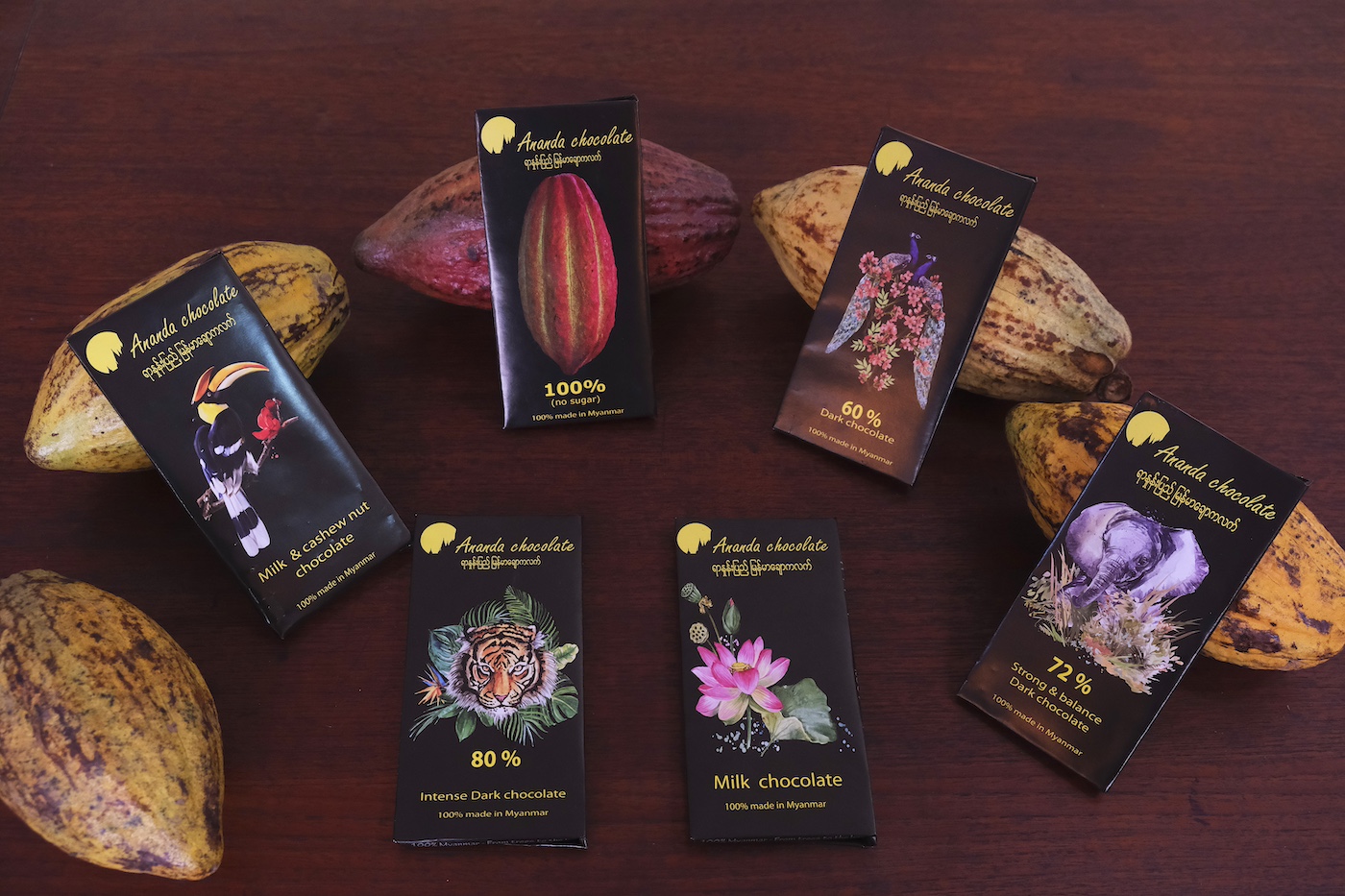
If you’d like to experience the taste of Myanmar in every bite, keep an eye out for Ananda Chocolate at local hotels, fine restaurants, and select shops. It’s a taste worth savouring.


